Solar Panel Maintenance Tips to Keep Your Warranty Valid
Installing a rooftop solar system is a long-term investment that can reduce electricity bills and provide clean energy for more than 25 years. However, many homeowners are surprised to learn that simply installing solar panels is not enough to keep the manufacturer's warranty valid. Like any valuable asset, a solar system requires regular care, inspections, and proper documentation.
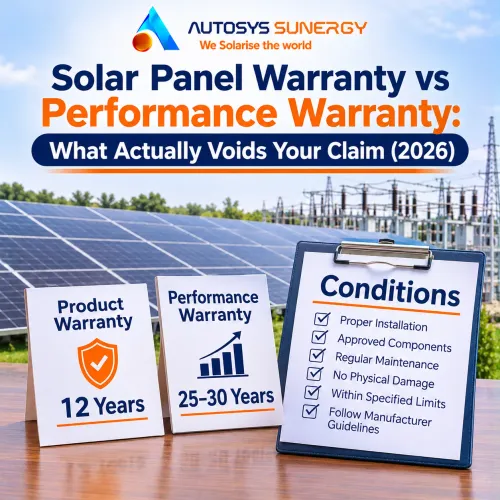
Most leading solar panel manufacturers provide two types of warranties: a product warranty and a performance warranty. These warranties protect you against manufacturing defects and guarantee a minimum level of power generation over time. However, they also include conditions that require the system to be maintained according to the manufacturer's recommendations. Ignoring these requirements can result in rejected warranty claims, even if the issue appears to be a manufacturing defect.
At Autosys Sunergy Pvt. Ltd. (Autosys Solar), we have been helping residential, commercial, and industrial customers across Indore, Bhopal, Ujjain, Dewas, and other parts of Madhya Pradesh since 2007. With 18+ years of experience, 2,000+ successful solar installations, 20+ MW of installed capacity, and a team of 100+ trained professionals, we have seen how proper maintenance significantly improves system performance and reduces costly repairs.
Whether you already own a rooftop solar system or are planning to install one, this guide explains the maintenance practices that help protect your investment, improve energy production, and keep your warranty valid.
Why Solar Panel Maintenance Matters
Regular solar panel maintenance is essential because it improves energy generation, reduces the risk of expensive repairs, and ensures you continue to meet the conditions of your manufacturer's warranty.
Although solar panels have no moving parts, they are constantly exposed to dust, rain, heat, pollution, bird droppings, leaves, and changing weather conditions. Over time, these environmental factors can reduce energy production, create hotspots, damage electrical components, or accelerate wear if left unchecked.
Proper maintenance offers several important benefits:
- Maximizes electricity generation throughout the year.
- Helps identify small problems before they become major failures.
- Extends the lifespan of panels, inverters, and mounting structures.
- Keeps your system compliant with manufacturer warranty requirements.
- Improves the return on your solar investment.
For homeowners and businesses in Madhya Pradesh, maintenance is especially important due to the region's high summer temperatures, dust accumulation during dry seasons, and monsoon-related moisture, all of which can affect the long-term performance of rooftop solar systems.
Expert Tip: Don't wait until your electricity generation drops significantly. Regular preventive maintenance is far more cost-effective than replacing damaged components or facing a rejected warranty claim.
Understanding Solar Panel Warranties
Before you can protect your warranty, you need to understand what it actually covers. Most solar systems include multiple warranties, each designed to protect different components.
Types of Solar Panel Warranties
Most rooftop solar systems come with multiple warranties, each covering a different part of the system.
Product Warranty (10–15 Years)
A product warranty protects your solar panels against manufacturing defects, faulty materials, and workmanship issues. If a panel fails because of a factory defect under normal operating conditions, the manufacturer may repair or replace it according to the warranty terms.
Performance Warranty (Up to 25–30 Years)
A performance warranty guarantees that your solar panels will continue producing a minimum level of electricity over time. Most manufacturers promise that the panels will retain around 80–90% of their original power output after 25 years, although the exact percentage varies by brand.
Inverter Warranty (5–12 Years)
The solar inverter usually comes with a separate warranty covering manufacturing defects and component failures. Many manufacturers also offer extended warranty options for additional protection.
Installer Workmanship Warranty (Typically 2–10 Years)
This warranty is provided by your solar installation company and covers problems caused by improper installation, such as incorrect wiring, poor mounting, or installation errors. The coverage period depends on the installer's warranty policy.
Expert Tip: Before purchasing a solar system, ask for copies of all warranty documents and understand what each warranty covers, how long it lasts, and the conditions required to keep it valid. Keeping these documents safe can make the warranty claim process much easier in the future.
Product Warranty
A product warranty protects against manufacturing defects such as faulty materials, damaged junction boxes, frame failures, or defects that occur under normal operating conditions.
Performance Warranty
A performance warranty guarantees that the solar panels will continue producing a specified percentage of their original output over time. Many Tier-1 manufacturers guarantee around 80–90% of the panel's rated capacity after 25 years, although the exact figures vary by manufacturer.
Installer Workmanship Warranty
This warranty is provided by your installation company and covers issues caused by improper installation practices. Choosing an experienced EPC company is important because installation errors can affect both system performance and manufacturer warranty eligibility.
Common Mistakes That Can Void Your Solar Panel Warranty
Many solar panel warranties are rejected not because of manufacturing defects, but because the system was not maintained according to the manufacturer's guidelines. Understanding these common mistakes can help you avoid unnecessary expenses and protect your long-term investment.
Manufacturers expect owners to follow recommended maintenance practices throughout the warranty period. Ignoring these requirements may result in warranty claims being denied, even if the panel develops a genuine fault.
Most Common Warranty-Voiding Mistakes
Common Mistakes That Can Void Your Solar Panel Warranty
Avoid these common mistakes to keep your solar panel warranty valid:
- Using high-pressure water jets: Can damage panel seals and force water into electrical components.
- Cleaning with harsh chemicals: May damage the anti-reflective coating on the panel glass.
- Walking or standing on solar panels: Can create invisible micro-cracks that reduce performance.
- Performing unauthorized electrical repairs: Most manufacturers require repairs to be carried out by certified technicians.
- Ignoring inverter fault warnings: Small electrical issues can develop into major system failures if left unresolved.
- Failing to maintain service records: Without maintenance documentation, warranty claims may be difficult to prove.
- Modifying the wiring or mounting structure: Unauthorized changes can compromise system safety and void the warranty.
- Using non-approved replacement parts: Installing incompatible components can invalidate both the product and workmanship warranties.
Expert Tip: Always follow the manufacturer's maintenance guidelines and keep records of every cleaning, inspection, and repair. Proper documentation can make the warranty claim process much smoother.
Expert Tip: Always read the warranty document provided by your panel manufacturer. Different brands may have specific maintenance requirements or exclusions.
How Often Should Solar Panels Be Maintained?
Regular inspections and cleaning help maintain high energy production while ensuring compliance with warranty conditions. The ideal maintenance schedule depends on your location, weather, and surrounding environment.
For homeowners in Indore, Bhopal, Ujjain, and Dewas, dust accumulation is often higher during summer and before the monsoon. This means cleaning may be required more frequently than in areas with regular rainfall.
Recommended Maintenance Schedule
Following a regular maintenance schedule helps improve your solar system's performance, extends its lifespan, and keeps your warranty valid.
- Visual Inspection (Every Month): Check the panels for dust, bird droppings, cracks, loose wiring, shading, or any visible damage.
- Solar Panel Cleaning (Every 2–4 Weeks During Dusty Seasons): Clean the panels regularly using soft tools and clean water, especially during the summer and dry months when dust accumulation is high.
- Performance Monitoring (Every Week): Review your system's electricity generation through the inverter app or monitoring portal. Sudden drops in energy production may indicate a problem that needs attention.
- Electrical Inspection (Once a Year): Have a certified solar technician inspect the inverter, wiring, earthing, junction boxes, and other electrical components to ensure safe and efficient operation.
- Professional Thermal Inspection (Every 1–2 Years): Thermal imaging can detect hidden issues such as hotspots, loose electrical connections, or damaged cells before they become major problems.
- Structural Inspection (Once a Year or After Severe Storms): Inspect the mounting structure, bolts, and roof supports for rust, corrosion, loose fasteners, or storm-related damage to maintain the safety and stability of your solar system.
Expert Tip: If you live in Indore, Bhopal, Ujjain, Dewas, or other dusty areas of Madhya Pradesh, you may need to clean your solar panels more frequently during the summer to maintain maximum energy generation and comply with manufacturer maintenance recommendations.
Keeping to this schedule helps detect small issues before they affect power generation or become expensive repairs.
Safe Solar Panel Cleaning Methods
Cleaning your solar panels correctly protects both their performance and your warranty. Incorrect cleaning methods can damage the glass, anti-reflective coating, or electrical seals.
Best Time to Clean Solar Panels
Always clean your solar panels:
- Early morning
- Late evening
- On cloudy days
Avoid cleaning during the hottest part of the day. When cold water comes into contact with hot glass, it can create thermal shock, increasing the risk of micro-cracks.
Safe Cleaning Materials
Use only gentle cleaning tools approved for solar panels.
Recommended
- Soft microfiber cloth
- Soft sponge
- Soft-bristle brush
- Rubber squeegee
- Low-TDS clean water
Avoid
- Wire brushes
- Steel wool
- Harsh detergents
- Acidic cleaners
- Pressure washers
- Abrasive scrubbers
Water Quality Guidelines
Using poor-quality water can leave mineral deposits that reduce panel efficiency.
Water Parameter Recommended Value TDS Less than 200 ppmpH6.5–7.5Water Temperature Close to ambient temperature Pressure Low pressure only
If your area has hard groundwater, consider using filtered or demineralized water whenever possible.
DIY Cleaning vs Professional Maintenance
Basic cleaning can often be done safely by homeowners, but technical inspections and electrical work should always be handled by certified professionals.
DIY vs Professional Solar Panel Maintenance
While homeowners can safely perform basic cleaning and visual inspections, technical inspections and electrical repairs should always be handled by certified solar professionals to ensure safety and maintain your warranty.
Tasks You Can Do Yourself
You can perform these routine maintenance tasks safely:
- Remove dust, leaves, and bird droppings from the panels.
- Clean the panels using soft brushes or microfiber cloths and clean water.
- Visually inspect the panel glass for cracks, dirt buildup, or other visible damage.
- Check the inverter display or mobile app for warning lights and basic fault codes.
Tasks That Require a Certified Technician
The following tasks should only be performed by qualified solar professionals:
- Electrical testing of the solar system.
- Thermal imaging to detect hotspots and hidden faults.
- Earthing and grounding inspections.
- Replacing damaged connectors, cables, or electrical components.
- Carrying out warranty repairs and manufacturer-approved servicing.
Expert Tip: Performing unauthorized electrical repairs or replacing components yourself can void your manufacturer's warranty. If you're unsure about any maintenance task, contact a certified solar service provider instead.
For rooftop systems with difficult access, professional cleaning is usually the safest option.
Solar Panel Inspection Checklist
Regular inspections help identify problems early, preventing efficiency losses and reducing the risk of warranty disputes.
Check the Panels
- Glass cracks
- Discoloration
- Delamination
- Bird droppings
- Heavy dust
- Broken frames
Check the Mounting Structure
- Loose bolts
- Rust
- Corrosion
- Bent rails
- Water leakage around roof penetrations
Check Electrical Components
- Loose cables
- Burn marks
- Water ingress
- Inverter warning lights
- Junction box damage
Check System Performance
- Compare monthly energy generation
- Review inverter alerts
- Monitor sudden drops in production
- Compare output with previous seasons
Take clear photographs during every inspection and store them with your maintenance records.
Seasonal Solar Panel Maintenance Calendar
Different seasons bring different maintenance challenges. Adjusting your maintenance routine throughout the year helps maximize energy production and protect your equipment.
Seasonal Solar Panel Maintenance Guide
Different seasons bring different maintenance challenges. Following a seasonal maintenance routine helps maximize energy production, prevent unexpected issues, and keep your solar panel warranty valid.
Summer
During the summer, dust accumulation and high temperatures can reduce your solar system's efficiency. Clean the panels more frequently to remove dust and inspect the system for signs of overheating, especially the inverter and electrical connections.
Monsoon
Heavy rain and strong winds can leave behind leaves, mud, and other debris on your solar panels. Check that roof drainage is working properly, remove accumulated debris, and inspect waterproof seals around the mounting structure to prevent water ingress.
Winter
Although dust levels are usually lower in winter, bird droppings and fallen leaves can still block sunlight. Clean the panels when needed and monitor your system's performance, as shorter daylight hours naturally reduce electricity generation.
After Storms or Extreme Weather
After heavy storms, strong winds, or hail, inspect your solar system for cracked panels, loose mounting structures, damaged wiring, or any visible signs of impact. If you notice any damage, contact a certified solar technician before restarting the system.
In Madhya Pradesh, pre-monsoon dust storms often leave a thick layer of dirt on rooftop solar panels. Cleaning immediately after these events can restore lost energy production.
Warning Signs That Need Professional Inspection
Not every issue is visible. Some warning signs indicate that your solar system should be inspected by a certified technician as soon as possible.
Contact a professional if you notice:
- Sudden drop in electricity generation
- Inverter fault notifications
- Burning smell near inverter
- Water entering electrical boxes
- Loose wiring
- Animal damage
- Cracked panels
- Corroded mounting structure
- Repeated system shutdowns
Ignoring these symptoms may lead to larger failures and could affect warranty eligibility.
Estimated Solar Maintenance Costs in India
Routine maintenance is inexpensive compared to replacing damaged equipment or losing warranty protection.
Service Typical Cost (₹)*Basic panel cleaning500–2,000Annual inspection1,500–5,000Thermal imaging inspection2,000–6,000Inverter servicing1,500–4,000Annual Maintenance Contract (AMC)3,000–15,000+
*Costs vary depending on system size, roof access, location, and service provider.
Expert Recommendations for Solar Owners in Madhya Pradesh
The climate in Indore, Bhopal, Ujjain, Dewas, and surrounding areas presents unique maintenance challenges.
- Clean panels more frequently during dry summer months because dust reduces energy production.
- Inspect systems after heavy monsoon rains to check for water ingress and loose mounting hardware.
- Trim nearby trees before the monsoon to prevent leaves from collecting on panels.
- Monitor inverter performance during periods of extreme heat, as high temperatures can affect efficiency.
- Schedule an annual professional inspection to ensure your system continues to meet manufacturer requirements and local electrical safety standards.
Autosys Solar Expert Tip: Even if your system appears to be working normally, a yearly preventive maintenance visit can detect hidden issues such as loose electrical connections, developing hotspots, or insulation problems before they lead to costly repairs or warranty disputes.
How to Keep Your Solar Panel Warranty Valid
Protecting your solar panel warranty isn't complicated. By following a few best practices and maintaining proper documentation, you can reduce the chances of warranty disputes and extend the life of your system.
Solar Warranty Protection Checklist
Use this checklist to stay compliant with most manufacturer warranty requirements:
☐ Read and understand your warranty document.
☐ Register your solar system (if required).
☐ Keep the original purchase invoice and installation certificate.
☐ Record the serial numbers of all panels and the inverter.
☐ Clean the panels using approved methods only.
☐ Schedule annual inspections by qualified professionals.
☐ Keep records of every cleaning, inspection, and repair.
☐ Monitor inverter performance regularly.
☐ Report faults immediately.
☐ Never modify wiring or replace parts yourself.
Expert Tip: A well-maintained service history not only protects your warranty but also increases your property's resale value by demonstrating that the solar system has been professionally maintained.
Step-by-Step Solar Warranty Claim Process
If your solar panel develops a manufacturing defect or performance issue, following the correct claim process can help resolve the issue faster.
Step 1: Identify the Problem
Look for signs such as:
- Sudden drop in energy production
- Cracked glass
- Delamination
- Burn marks
- Inverter fault codes
- Water ingress
- Unusual noises from the inverter
Step 2: Gather Required Documents
Keep these documents ready:
- Original purchase invoice
- Installation certificate
- Warranty certificate
- Serial numbers
- Maintenance records
- Cleaning log
- Inspection reports
- Photos of the issue
- Inverter performance screenshots
Step 3: Contact Your Installer
If your system was installed by Autosys Solar, contact the service team first. Many issues can be diagnosed remotely before scheduling a site visit.
Step 4: Technical Inspection
A qualified engineer will inspect:
- Solar panels
- Inverter
- Wiring
- Mounting structure
- Electrical connections
- System performance
If required, thermal imaging and electrical tests may be carried out to identify hidden faults.
Step 5: Manufacturer Evaluation
If the issue is confirmed as a manufacturing defect, the installer will coordinate with the manufacturer for repair or replacement according to the warranty terms.
Do's and Don'ts
Do's
✔ Clean panels using soft cloths or brushes.
✔ Use clean, low-TDS water.
✔ Monitor system performance every week.
✔ Schedule professional inspections annually.
✔ Keep detailed maintenance records.
✔ Trim nearby trees to reduce shading.
✔ Check inverter alerts regularly.
✔ Contact certified professionals for repairs.
Don'ts
✘ Walk on solar panels.
✘ Use pressure washers.
✘ Clean with harsh chemicals.
✘ Ignore inverter warning lights.
✘ Attempt DIY electrical repairs.
✘ Replace components with non-approved parts.
✘ Delay reporting faults.
✘ Remove or modify panel labels or serial numbers.
Solar Panel Maintenance Myths vs Facts
Common Solar Panel Maintenance Myths
Myth: Solar panels never need maintenance.
Fact: Regular cleaning and periodic inspections help maintain efficiency and keep your warranty valid.
Myth: Rain cleans solar panels completely.
Fact: Rain removes loose dust but cannot clean bird droppings, mud, or stubborn dirt.
Myth: Pressure washers are the best way to clean solar panels.
Fact: High-pressure water can damage panel seals, electrical components, and the protective coating.
Myth: Any electrician can repair a solar system.
Fact: Warranty repairs should only be performed by certified solar technicians.
Myth: If the panels are generating electricity, they don't need inspection.
Fact: Hidden problems like loose wiring, hotspots, or insulation damage may not immediately affect power generation but can lead to serious issues over time.
Expert Tip: Don't rely on common myths when maintaining your solar system. Following the manufacturer's maintenance guidelines is the best way to protect your warranty and ensure long-term performance.
Frequently Asked Questions (FAQs)
1. How often should solar panels be cleaned?
In most parts of India, cleaning every 2–4 weeks is recommended during dry seasons. In areas like Indore, Bhopal, Ujjain, and Dewas, frequent dust accumulation may require more regular cleaning to maintain optimal performance.
2. Can I clean my solar panels myself?
Yes, basic cleaning can be done safely using soft tools and low-pressure water. However, avoid climbing onto steep roofs or attempting electrical work. If access is difficult, hire a professional.
3. Will rain clean my solar panels?
Rain helps remove loose dust, but it does not effectively remove bird droppings, mud stains, pollen, or oily residue. Periodic manual cleaning is still necessary.
4. Does using detergent void the warranty?
Some harsh detergents and abrasive cleaning products may damage the anti-reflective coating on solar panels. Always follow the manufacturer's cleaning recommendations.
5. What documents should I keep for warranty claims?
Maintain:
- Purchase invoice
- Warranty certificate
- Installation report
- Maintenance records
- Cleaning logs
- Service reports
- Photographs
- Inverter performance records
These documents strengthen your warranty claim.
6. What should I do if my inverter shows an error?
Check the user manual for the error code and contact your installer or service provider. Do not attempt to open or repair the inverter yourself, as this may void the warranty.
7. Does bird droppings affect solar panels?
Yes. Bird droppings can block sunlight, create hotspots, reduce efficiency, and increase the risk of long-term damage if left untreated.
8. Is Annual Maintenance Contract (AMC) worth it?
Yes. An AMC provides scheduled inspections, cleaning, preventive maintenance, and professional documentation, helping improve system reliability and support warranty compliance.
9. Can dust reduce solar panel efficiency?
Yes. Heavy dust buildup can reduce energy generation by 5% to 20%, depending on environmental conditions and the duration since the last cleaning.
10. Why should I choose a professional solar maintenance company?
Professional technicians use specialized tools to inspect electrical connections, identify hotspots, check insulation resistance, and ensure your system continues to operate safely and efficiently while meeting manufacturer warranty requirements.
Conclusion
A rooftop solar system is designed to deliver clean, reliable electricity for decades—but only if it's properly maintained. Routine cleaning, regular inspections, performance monitoring, and accurate maintenance records not only improve energy production but also help protect your manufacturer's warranty.
For homeowners and businesses in Indore, Bhopal, Ujjain, Dewas, and across Madhya Pradesh, environmental factors such as dust, heat, and seasonal weather make preventive maintenance even more important. Working with experienced professionals ensures that your system remains safe, efficient, and compliant with warranty conditions.
Protect Your Solar Investment with Autosys Solar
Whether you need routine maintenance, a detailed system inspection, or help with a warranty-related issue, Autosys Sunergy Pvt. Ltd. (Autosys Solar) is here to help.
Our Services Include:
- ✅ Free Site Survey
- ✅ Solar Health Check
- ✅ Annual Maintenance Contracts (AMC)
- ✅ Professional Solar Panel Cleaning
- ✅ Thermal Imaging & Performance Diagnostics
- ✅ Solar Inverter Inspection
- ✅ Warranty Support & Documentation
- ✅ Net Metering Assistance
- ✅ Residential, Commercial & Industrial Solar Solutions
Contact Autosys Solar Today
📞 Phone: +91 8818880540
🌐 Website: https://www.autosyssolar.com/
📩 Contact Us: https://www.autosyssolar.com/contact-us/
Protect your solar investment today with expert maintenance and reliable support from Autosys Solar. Schedule your free consultation and keep your rooftop solar system performing at its best for years to come.
Keywords